Soft-Story Retrofits in San Francisco: What Condo Owners Need to Know
San Francisco's mandatory soft-story retrofit program set a final construction deadline in 2021. If you own or are buying a unit in an older wood-frame building, the building's compliance record is part of what you're buying into.
Why This Matters in This Market
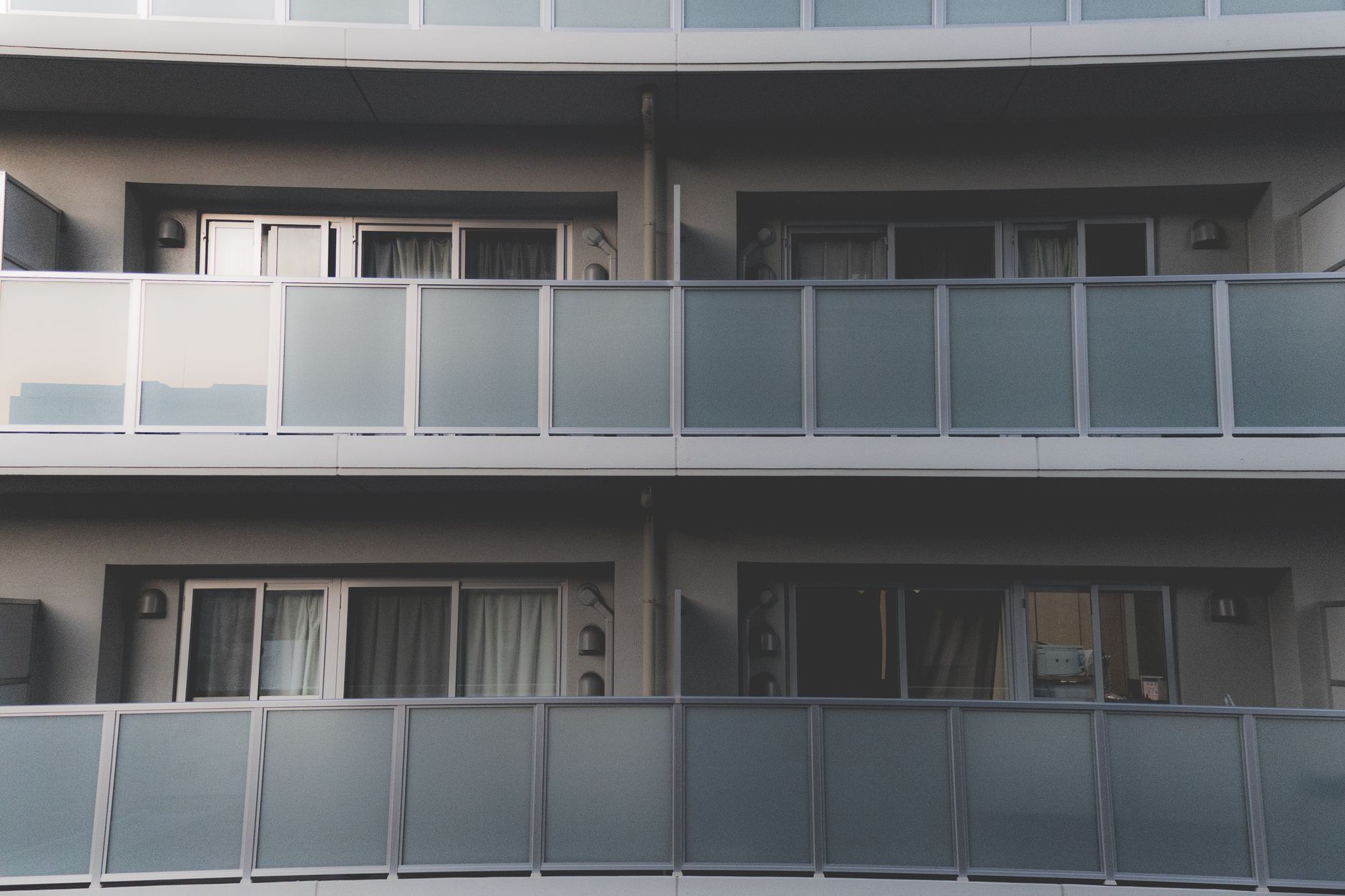
Of the roughly 10,000 condos recorded in this market, about 1,311 were built before 1980 — the era that produced most of the soft-story buildings San Francisco targeted with its mandatory retrofit program. If your unit is in one of those older wood-frame buildings, the program's history is not ancient news: it is part of your building's title record, and its compliance status is publicly searchable today.
San Francisco's condominiums, from the record
| Built | Units |
|---|---|
| before 1940 | 435 |
| 1940-1959 | 56 |
| 1960-1979 | 820 |
| 1980-1999 | 331 |
| 2000 or later | 8,313 |
9,955 of 10,154 parcels in this market's record have a known build year.
What a Soft-Story Building Is
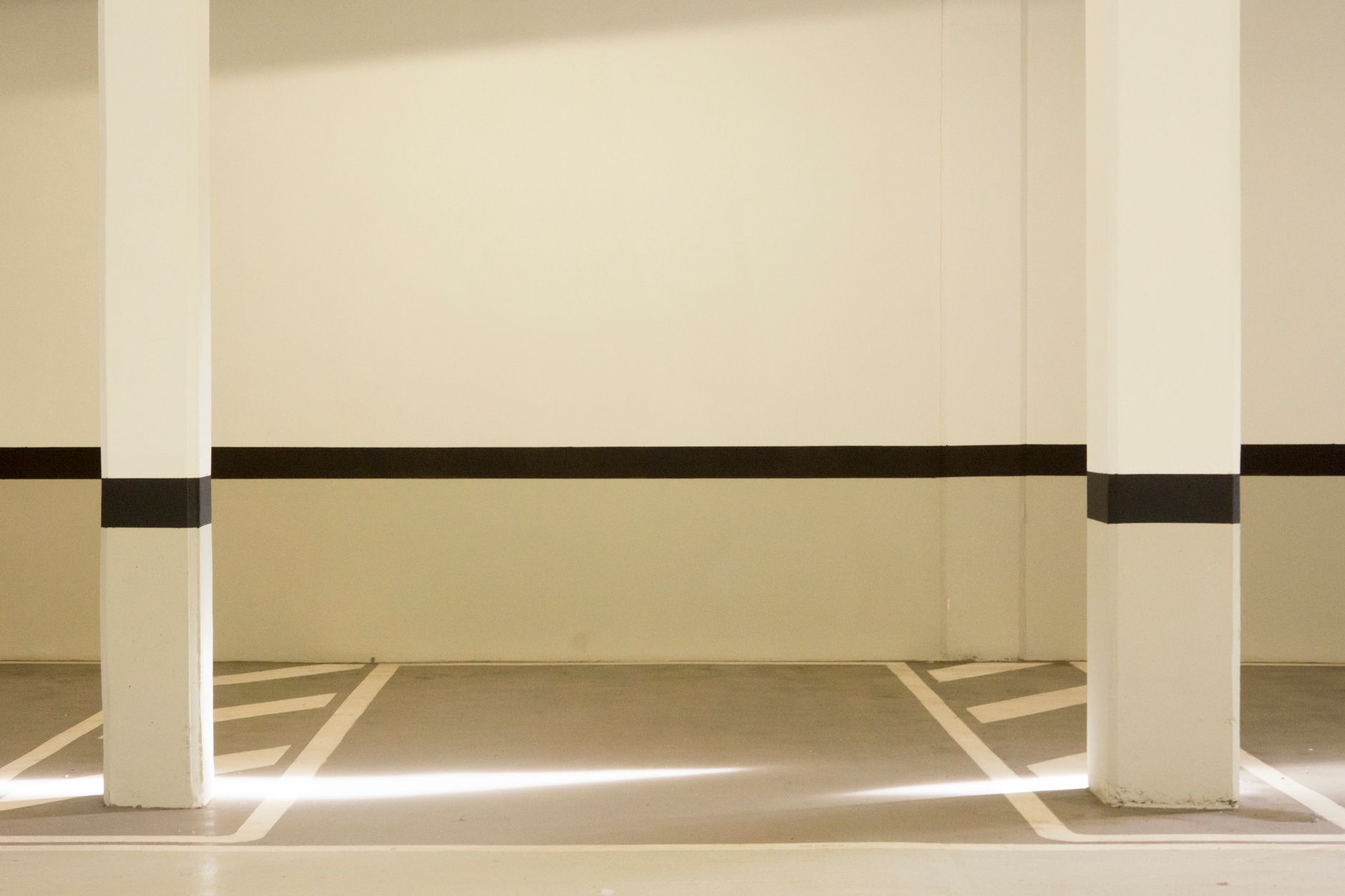
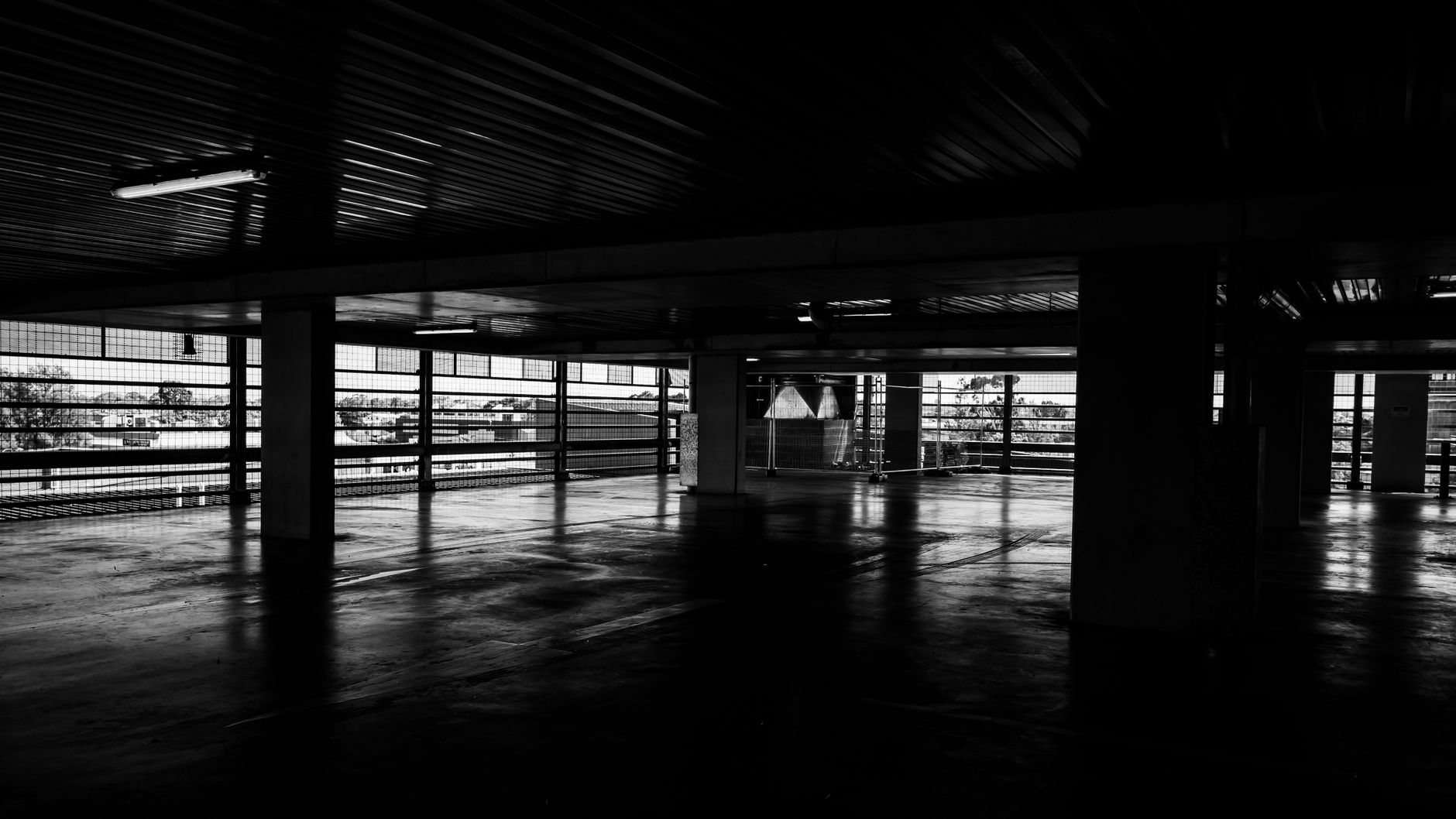
Soft-story residential buildings are those that have open parking or commercial space on the first floor and housing on higher floors. In an earthquake, ground shaking causes those structures to sway and, in the worst cases, to collapse. The first floor — with its large open bays and minimal shear walls — is the weak point.
The Mandatory Program
In 2013, the City and County of San Francisco passed its Soft Story Retrofit Ordinance. The program was phased, with buildings assigned to compliance tiers based on occupancy type, size, and location. According to the city's permit services page, the deadline to finish soft-story work was September 15, 2021.
The tiers the program used are still part of the public record. The dataset representing the different compliance tiers for the Mandatory Soft Story Program describes the current status of properties. In broad terms:
- Tier I — Buildings containing certain higher-risk occupancy types on any story
- Tier II — Buildings containing 15 or more dwelling units, except those assigned to Tier I or Tier IV
- Tier III — Buildings not falling within the definition of another tier
- Tier IV — Buildings with Group B or M occupancy on the first story or in a basement, and buildings in mapped liquefaction zones, except those assigned to Tier I
The program targeted wood-frame, pre-1978, three-or-more-story buildings with five or more units. If your building does not fit that description, it was likely not in scope — but the public list is the definitive answer, not a rule of thumb.
How Far the Program Got
As of 2026, roughly 4,700 vulnerable buildings had completed their retrofit under the San Francisco program. San Francisco holds roughly 20 to 25 percent of Bay Area soft-story buildings, which gives a sense of the scale of what the program addressed citywide.
What Compliance Looks Like
For buildings that were in scope, compliance ran in two phases: an engineering evaluation followed by a permit and construction. The engineering work is governed by the city's Administrative Bulletins — Administrative Bulletin 106 covers implementation procedures and Administrative Bulletin 107 covers the engineering criteria for seismic strengthening of soft-story wood-frame buildings. A licensed structural engineer, not a general contractor, leads that work. The city's Department of Building Inspection reviews every permit application, and most soft-story projects can be reviewed over-the-counter.
For condo owners, the practical implication is this: the work is done to the building's structure, which the HOA typically controls. Who actually had responsibility for commissioning and paying for the retrofit — the association, the building owner, or individual unit owners — is a question the CC&Rs and your association's governing documents answer, not this article. If there is any dispute about past compliance costs or ongoing liability, that goes to an attorney.
How to Check Your Building's Status
The city publishes the soft-story property list and updates it weekly. The Mandatory Soft Story Program provides a weekly update on the status of properties identified as soft story. You can search by address. The possible statuses include completed retrofit, permit issued, permit applied for, and various out-of-compliance categories — each with a specific meaning under the program.
If you are buying a unit, pulling the building's permit history through DBI's permit tracking system will show whether a soft-story permit was issued and finaled. That search is free and public. Your inspector can help interpret what the permit history does and does not tell you; the building department decides what is or is not compliant under the program's rules.
One Tax Provision Worth Knowing
California Revenue and Taxation Code Section 74.5 excludes from assessment that portion of an existing structure that consists of the construction and reconstruction of seismic components. For buildings that completed retrofit work, the claim form had to be filed with the Assessor's Office prior to, or within 30 days of, completing construction. This exclusion expires upon change in ownership of the property. Whether it applied to your building, and what effect it had on assessments, is a question for a tax adviser and the county Assessor's records.
Where to Check
- SF.gov – Get a Building Permit to Do a Soft Story Retrofit — The city's step-by-step permit guide, including engineering bulletin references and the property tax exclusion claim process.
- SF DBI – Map of Soft-Story Properties (DataSF) — The weekly-updated public database of all properties identified under the program, with tier and compliance status.
- SF.gov – Check Earthquake Safety Rules — Links to Administrative Bulletins 106 and 107, which govern the technical and engineering standards.
- SF.gov – Permit Services at DBI — The program deadline and archived program details are noted here.
- ABAG – Bay Area Soft Story Ordinances & Additional Documents — Regional context, SF ordinance documents, the progress dashboard, and the precinct concentration map.
- California BOE – Claim for Seismic Safety Construction Exclusion (Form BOE-64) — The state form and rules for the property tax exclusion under Revenue and Taxation Code Section 74.5.
Tim McMullen · CA DRE #02016832
[email protected] · (415) 691-9272
- https://www.sf.gov/step-by-step--get-building-permit-do-soft-story-retrofit
- https://sfdbi.org/soft-story-properties-list
- https://www.sf.gov/check-earthquake-safety-rules
- https://www.sf.gov/departments--department-building-inspection--permit-services-dbi
- https://abag.ca.gov/technical-assistance/bay-area-soft-story-ordinances-additional-documents
- https://abag.ca.gov/soft-story-resources-policy
- https://www.ssc.ca.gov/wp-content/uploads/sites/5/2020/08/rev_tax_074point5.pdf
- https://www.boe.ca.gov/proptaxes/pdf/sample-boe64.pdf
Tim McMullen, CA DRE #02016832. Real estate services provided by Tim McMullen, Broker, CA DRE #02016832. Figures are from recorded sales; nothing here is an opinion of the value of any home.